
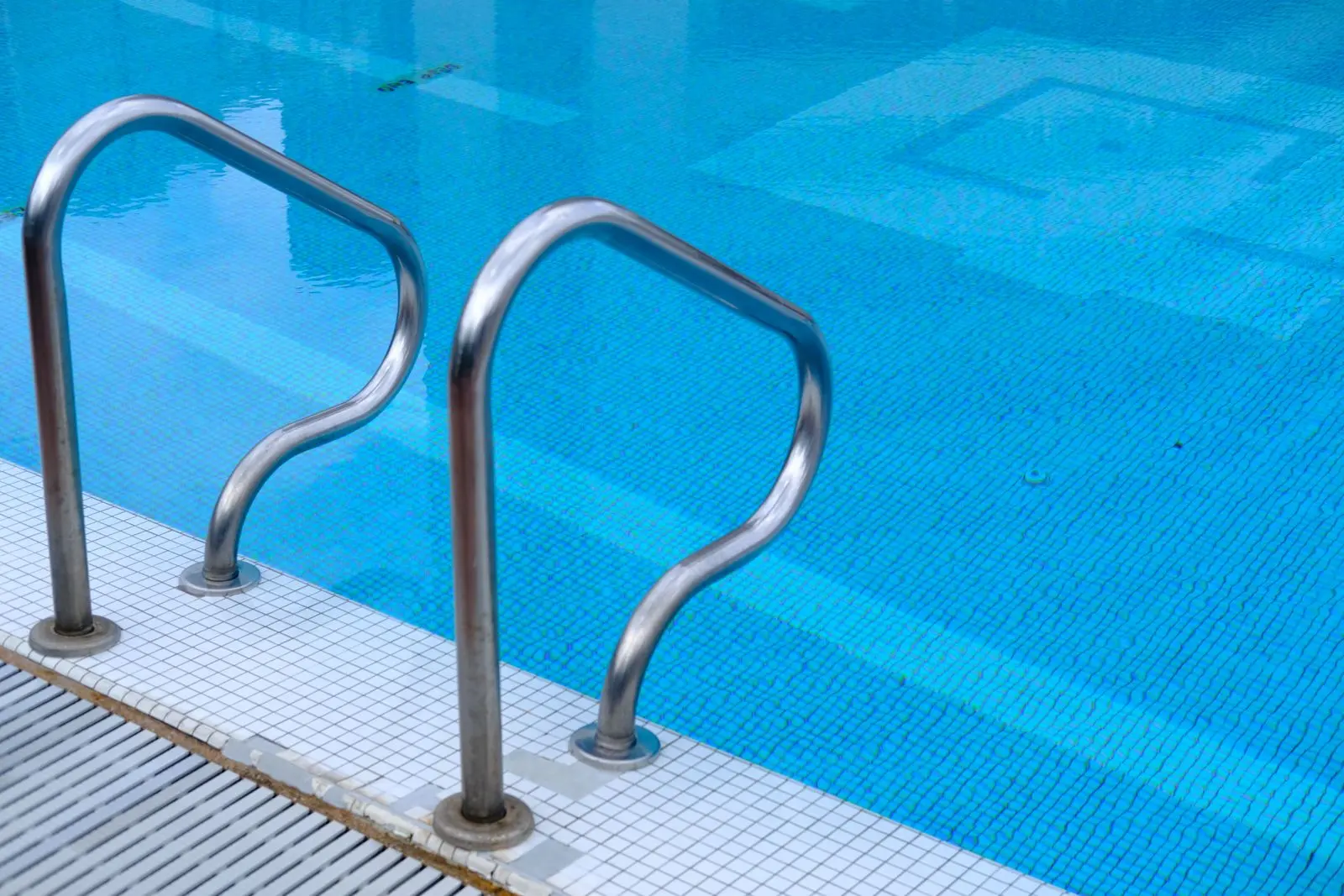
Backyard pool demolition
Pool Removal in Gilroy
In-ground pools across Gilroy and Morgan Hill, from 1970s gunite pools on older lots to the backyard pools that came with west side homes, filled in or taken out completely, all under permit.
Pool Demolition in Gilroy Backyards
Gilroy summers are long and hot, so a lot of homes got pools. Many of the ones built with the Northwest Gilroy and Eagle Ridge neighborhoods in the 1990s and 2000s are now at the age where plaster, tile, equipment and decking all need work at once. Some owners decide the money is better spent on a lawn, a patio, or an ADU.
Removing a pool means draining it, breaking the shell, filling the hole with material that will hold up, and compacting it so the yard does not settle later. The deck, coping, equipment pad and any lines to the equipment are part of the job, and so is getting machines into the backyard.
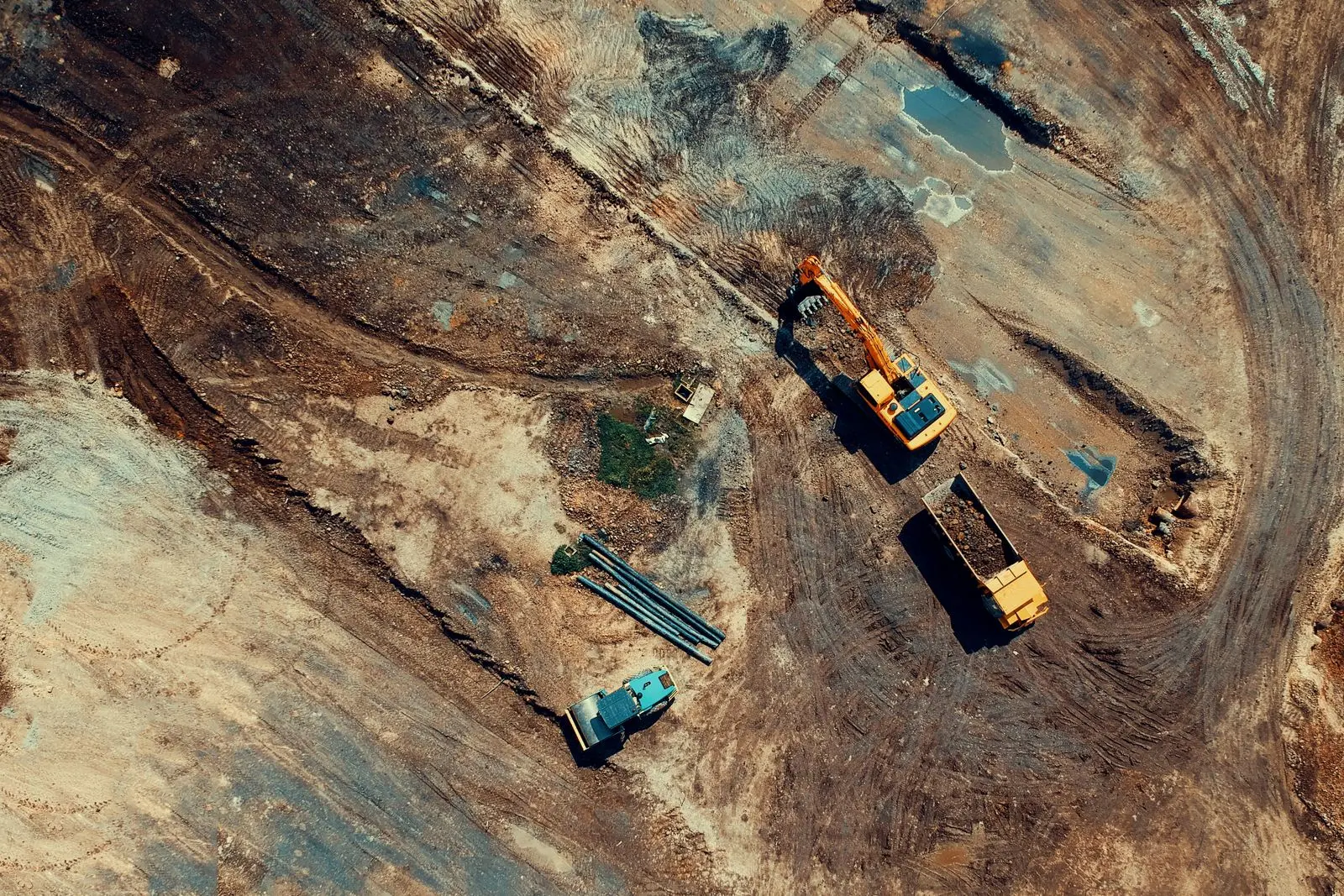
Filling In a Gilroy Pool vs Removing It Completely
With a partial job, the crew knocks down the upper few feet of wall, cracks drain holes in the floor so water cannot collect, and buries the rest of the shell under its own rubble and clean fill. That route is cheaper and quicker. The tradeoff is that the old shell stays buried, which may need to be disclosed when you sell, and it can limit what you build on that spot.
Full removal takes out the entire shell, all the steel and every piece of concrete, then backfills with soil in compacted lifts. It costs more, but the ground is closer to native condition. If you might put a structure, an ADU or a large slab there someday, full removal with compaction testing is usually the better choice.
Pool Removal Permits in Gilroy
Pool demolition in Gilroy requires a permit through the city's Building Division, and the county handles pools on unincorporated parcels. The permit usually calls for inspection of the drain holes or the empty excavation, and of the backfill. Full removals intended for future building often need a compaction report from a soils engineer.
Before demolition, the electrical to the pump and lights is disconnected, the gas to any heater is shut off and capped, and the water is drained in a way the city allows. Pool water should not go into storm drains without treatment, so we plan the drain-down before the crew arrives.
Pool Removal Cost Factors in Gilroy
Pool size and depth drive the backfill volume, which drives truck trips. Gunite pools with heavy rebar take longer to break than vinyl-lined or fiberglass pools. A full removal costs more than a partial one because every piece of concrete leaves the site and more soil comes in.
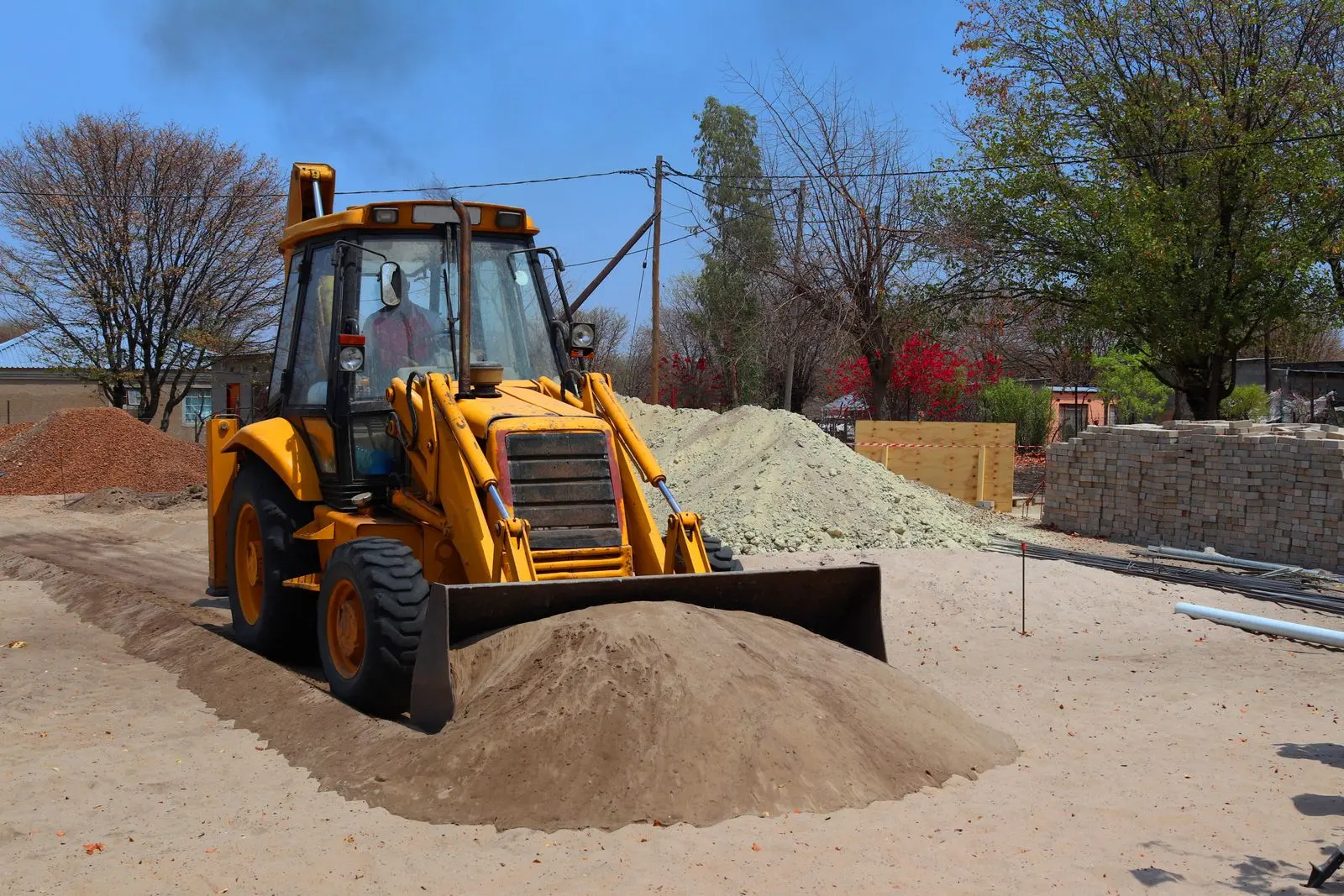
Access is the other big factor. A wide side yard on a corner lot lets a skid steer and mini excavator roll straight in. A narrow gate between two houses may mean removing a fence section and using smaller machines. Decks, retaining walls, spa additions and landscape repair afterward also add to the price.
Timing can matter as well. Gilroy clay soils get sticky after winter rain, and wet backfill does not compact well, so we prefer to fill pools in the drier months when the ground cooperates. A job scheduled in late spring or summer usually moves faster and passes inspection with fewer delays than one squeezed in during a wet January.
What Our Pool Removal Includes in Gilroy
Drain-Down and Equipment Disconnect
We drain the pool following city rules, then disconnect and remove the pump, filter, heater and equipment pad. Electrical and gas to the equipment are made safe before any breaking starts.
Shell Demolition and Concrete Haul-Off
The shell is broken with a hydraulic hammer. On a partial removal, the floor gets drain holes and the rubble stays in the shell. On a full removal, all concrete and steel go to recycling.
Pool Backfill and Compaction
Clean fill goes in lifts and is compacted with machine passes. On full removals headed for future building, we coordinate testing with your soils engineer so the report supports the permit final.
Deck and Coping Removal
Concrete decking, coping stones, tile and any attached walls come out, and the area is graded with topsoil on top so it is ready for sod, planting or new hardscape.
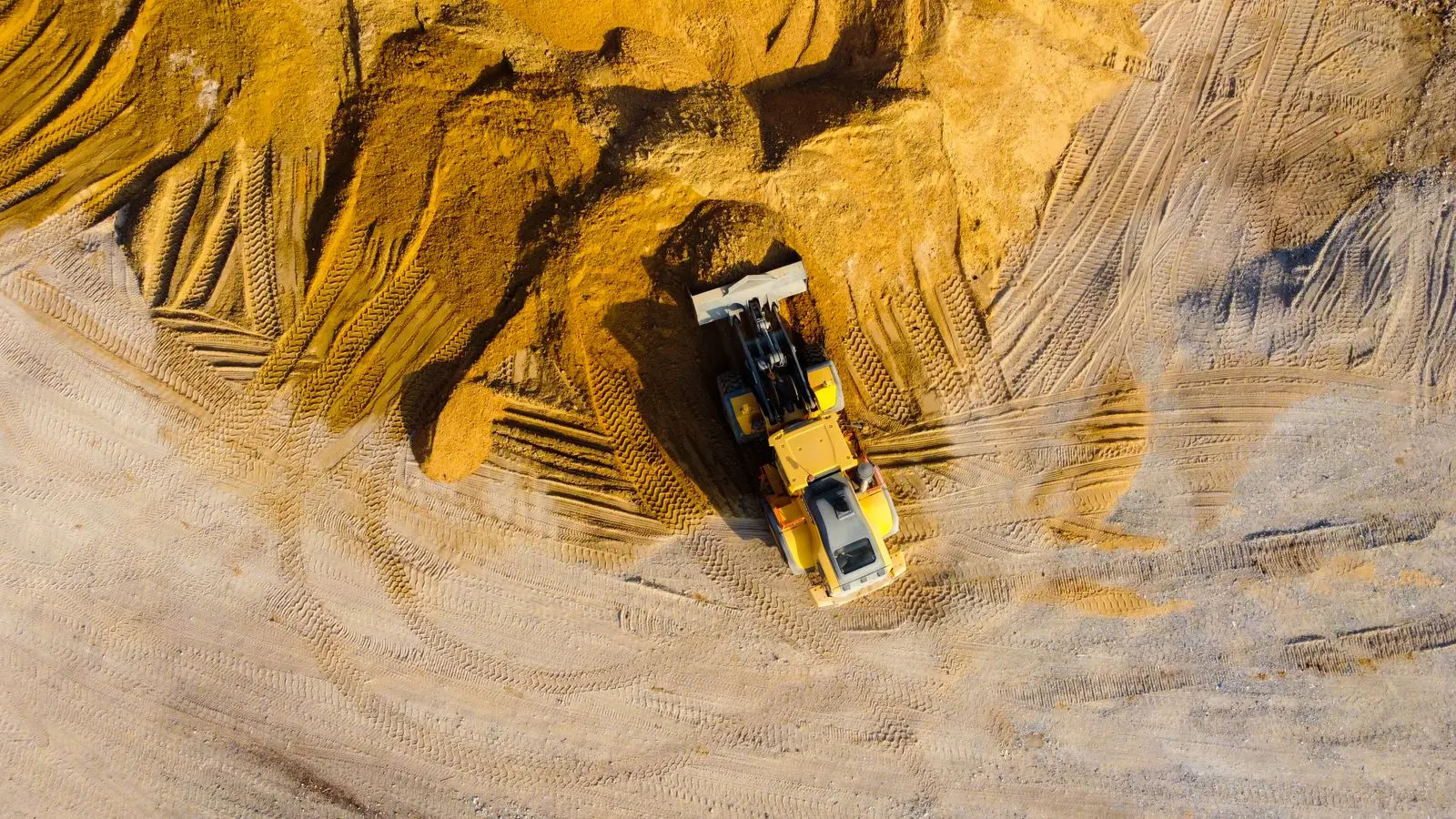
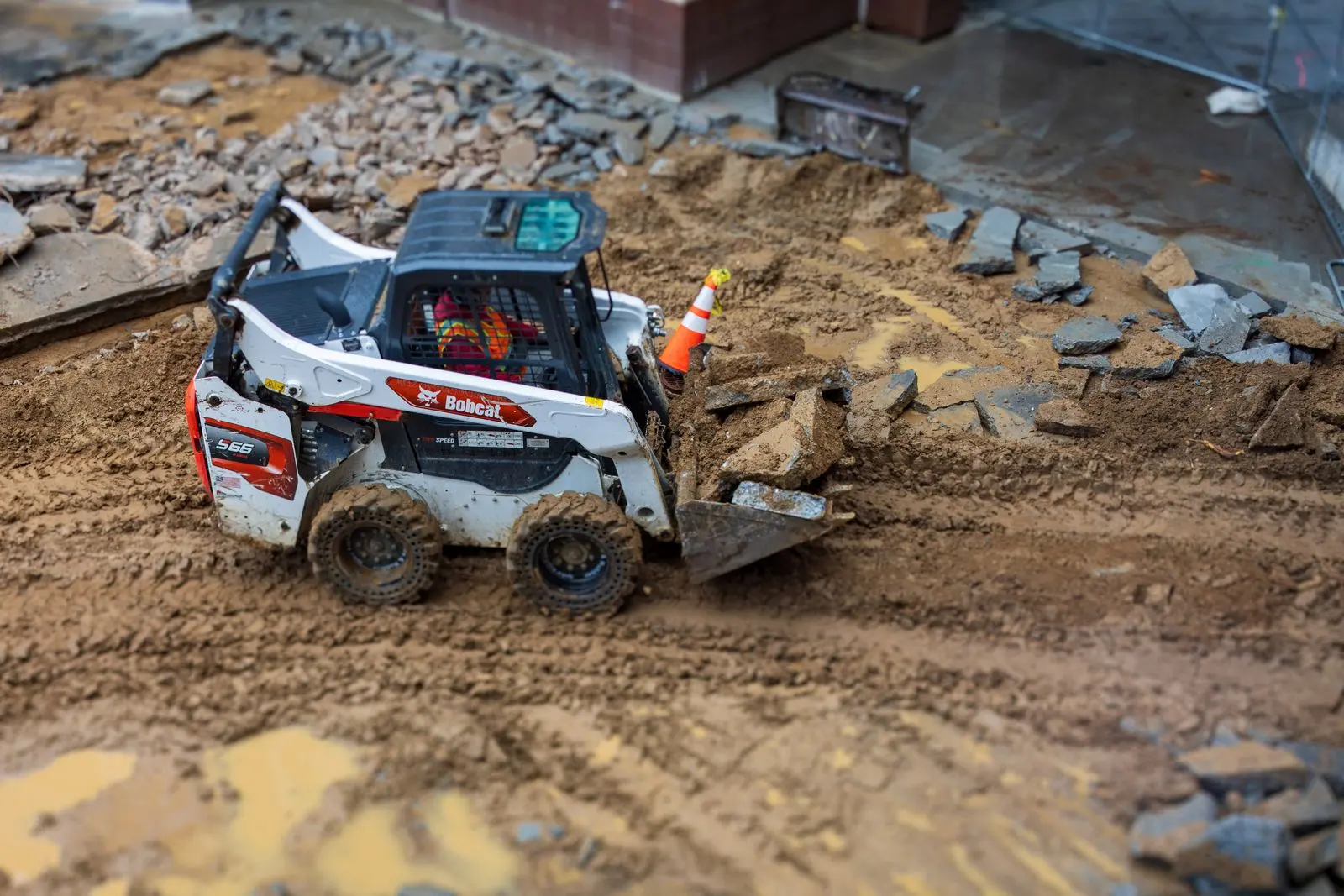
Pool Removal: Job Site Photos
Demolition FAQs
What Gilroy Owners Ask About Pool Removal
Fill it in or dig it all out: which fits my yard?
If the area will only ever be lawn or garden, partial removal is usually fine and costs less. If you might build there, sell soon, or want no buried shell, full removal with compaction is the safer choice.
How long does pool removal take in Gilroy?
Once the permit is issued, most residential pool removals take a few working days. Larger pools, full removals with compaction testing, and tight access can stretch that.
Will my yard settle after the pool is filled?
Settlement comes from poor backfill. We place fill in layers and compact each one, and on full removals we support testing by your soils engineer. A small amount of topsoil settling is normal.
Do you need to take down my fence?
Sometimes. If the side gate is too narrow for equipment, we remove a fence section and put it back or leave it ready for your fence contractor. We look at access during the site visit.
Demolition quote
Price Your Gilroy Pool Removal
Send the pool's rough size and type, plus how wide the side gate is. Expect our reply inside a day, then a site visit.
- Permits
- Demolition
- Haul-off