
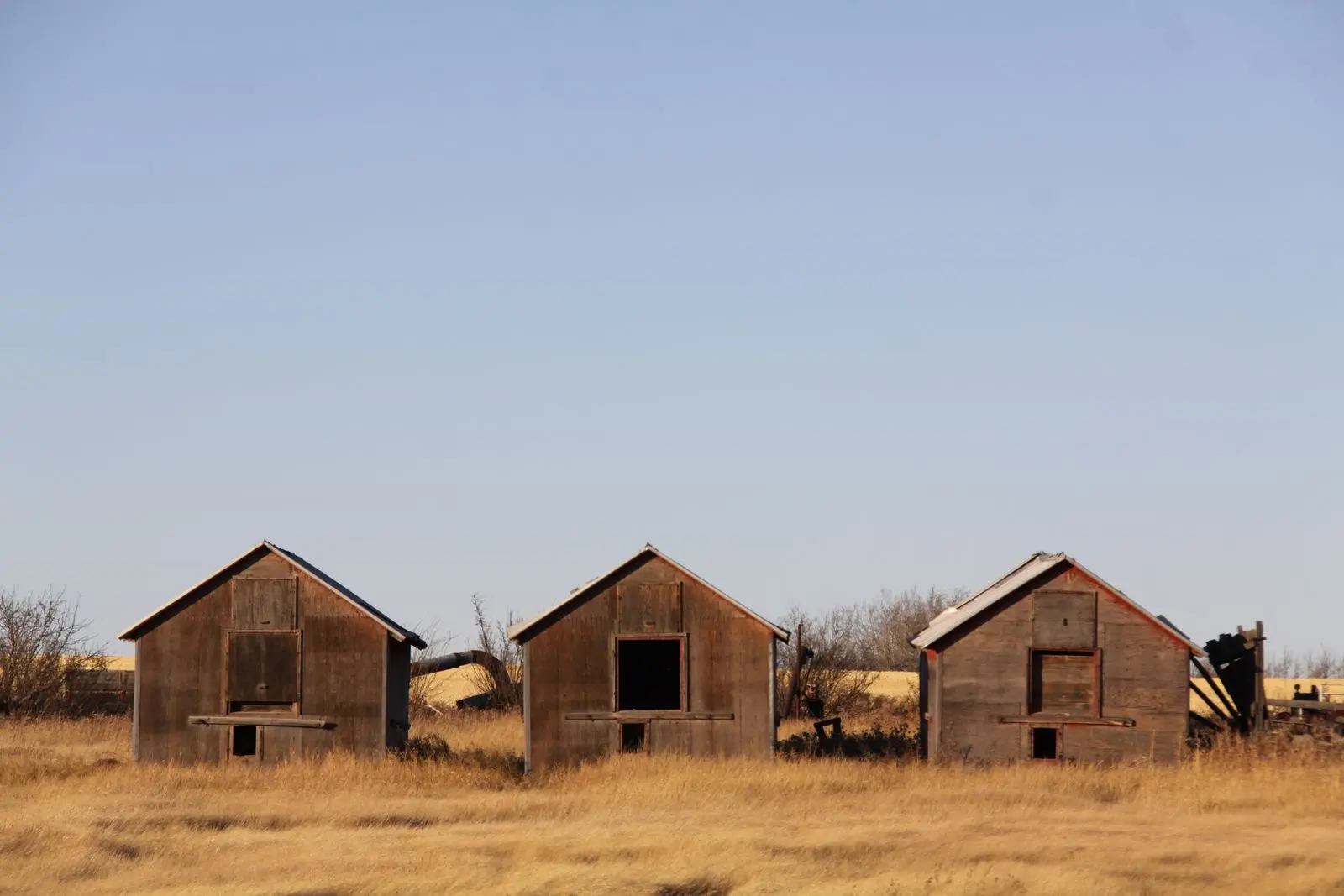
Barn deconstruction in Gilroy
Deconstruction and Salvage in Gilroy
Some old South County buildings are worth more in pieces than as rubble. We take barns, farmhouses and sheds apart by hand to save the redwood, heavy timbers, doors and fixtures for reuse.
Barn and Farmhouse Deconstruction in South County
Many of the barns and farmhouses around Gilroy, San Martin and Hollister were built with old-growth redwood and Douglas fir that is hard to find today. Siding boards, beams, posts and floor planks from these buildings are sought after for reclaimed flooring, furniture, accent walls and new barns. Machine demolition breaks most of that into firewood.
Deconstruction reverses the building process. The crew strips the roof, removes siding board by board, takes down rafters and beams, and pulls the framing apart, removing nails as it goes. It is slower and more labor intensive than demolition, but the lumber comes out whole and usable.
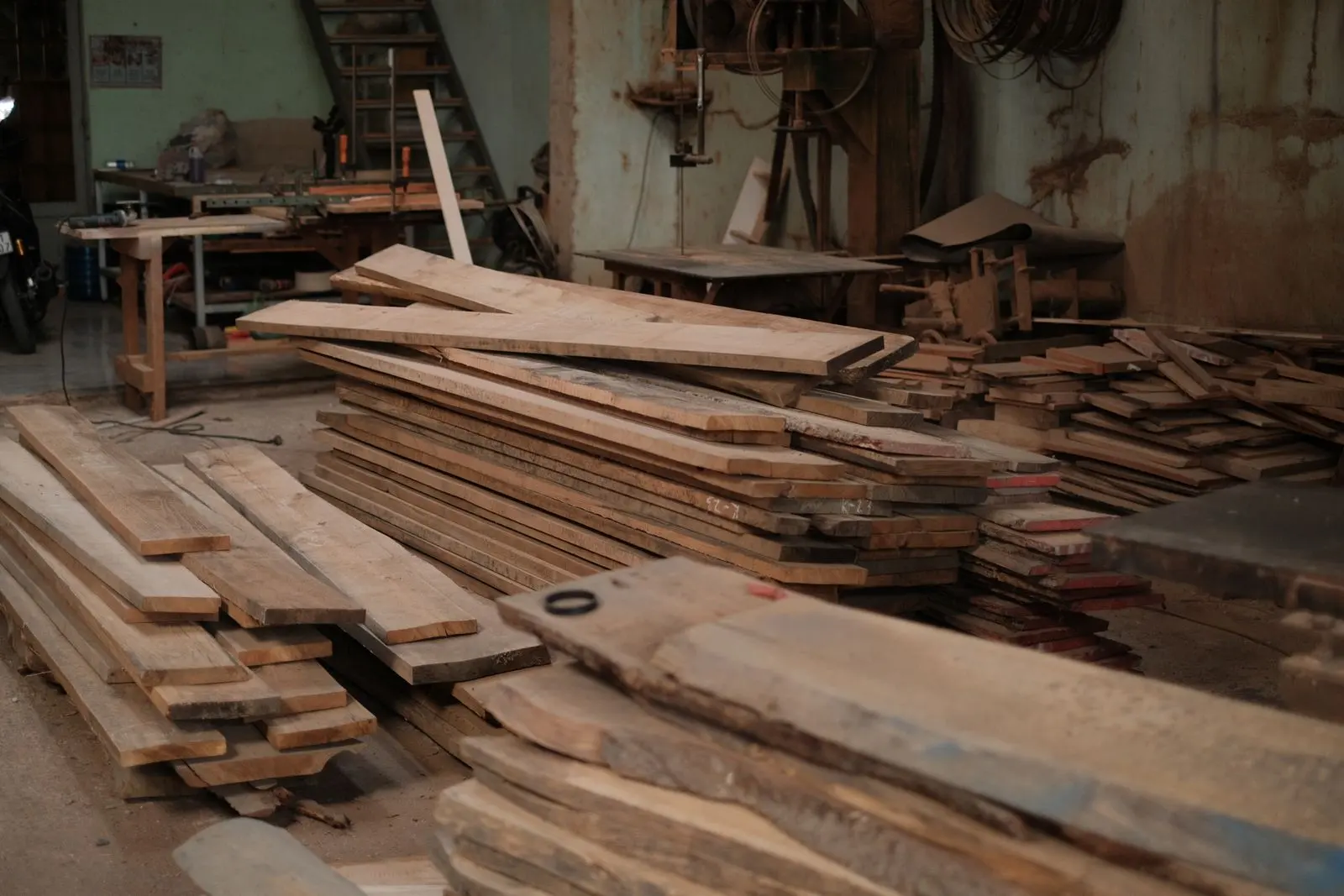
What Can Be Salvaged From an Old Building
In barns, the value is mostly in the wood: wide redwood siding with patina, hand-hewn or rough-sawn timbers, and heavy plank floors in haylofts. Some barns also have old hardware, sliding door tracks, cupolas and corrugated steel that can be reused.
In older homes, salvage often includes old-growth framing lumber, hardwood floors, wood windows, interior doors with original hardware, clawfoot tubs, built-ins and trim. Newer homes have less salvage value, but cabinets, appliances, fixtures and some flooring can still be reused through donation or resale.
Ag buildings sometimes add a few odd pieces worth saving: old scale houses, rolling barn doors, steel trusses from equipment sheds, and galvanized water troughs. Not every item has a buyer, so we are straight with you about what is likely to sell and what is better off at the scrap yard or in the recycling pile.
Deconstruction Permits, Asbestos and Lead
Deconstruction is permitted the same way as demolition. The City of Gilroy, Morgan Hill, Santa Clara County or the San Benito County jurisdictions issue the permit depending on the parcel. Before the first board comes off, the building gets an asbestos survey and the air district gets its notice. If the survey is positive, a certified abatement contractor clears that material, and we keep our crew off the building until they finish.
Old painted wood often has lead paint. Salvaged lumber with lead paint is still usable for many purposes, but it has to be handled with lead-safe practices and disclosed to buyers. We separate painted and unpainted material and keep dust down while removing it.
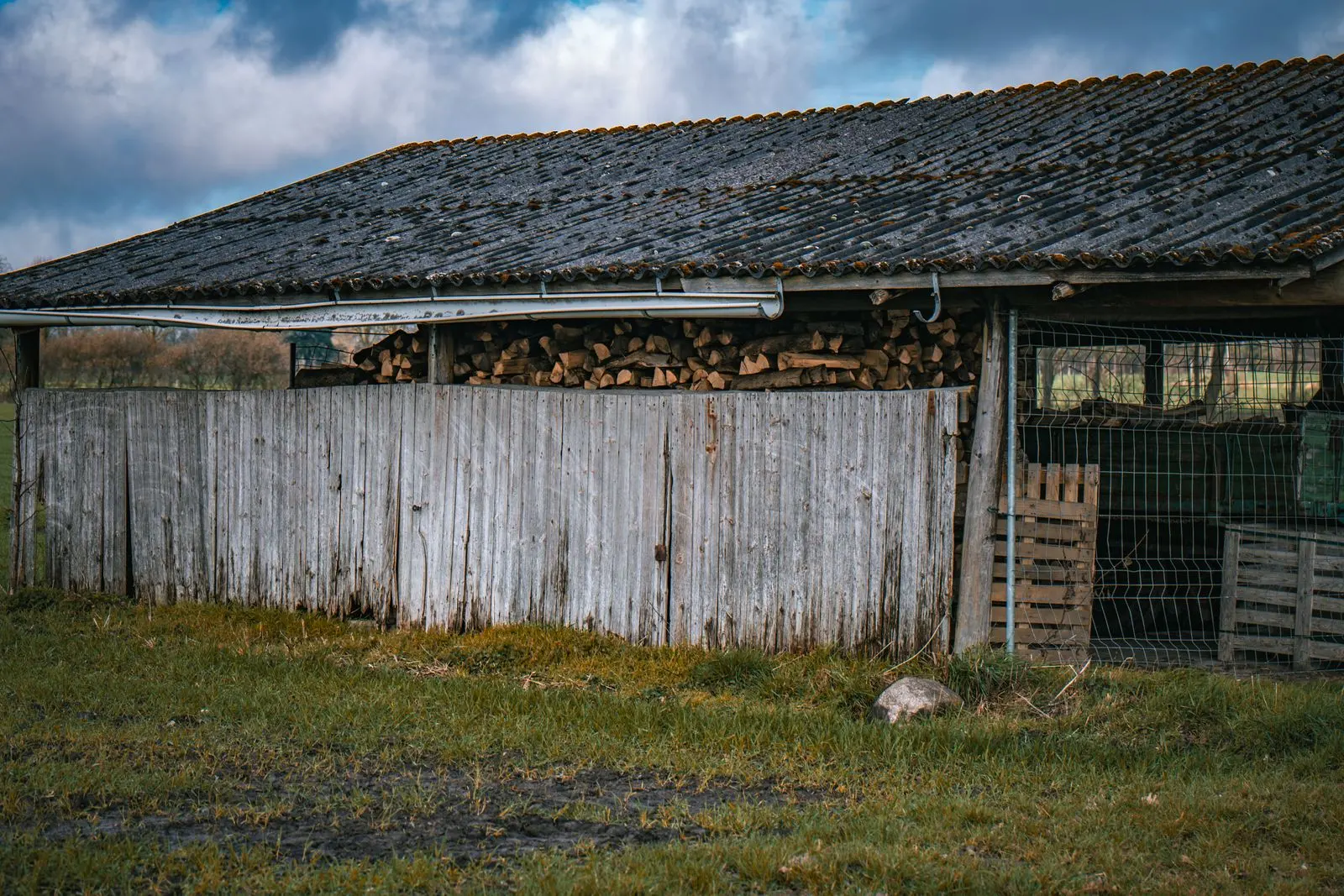
Hybrid Deconstruction: Salvage First, Then Demolition
Most jobs work best as a hybrid. We hand salvage the valuable parts first, such as siding, beams, doors, fixtures and flooring, then bring in the excavator to demolish the rest. This keeps cost closer to standard demolition while still saving what matters most.
We talk with you about what you want to keep, what you want sold or donated, and what can be recycled. You can keep salvaged material for your own project, sell it, or donate it. Donations to reuse organizations may be tax deductible, and you should ask your tax advisor about that.
Deconstruction Cost Compared With Demolition
Deconstruction takes more labor hours than demolition, so the direct cost is higher. Part of that is offset by the value of the salvaged material, lower disposal costs, and sometimes a tax deduction for donated items. Whether it makes sense depends on the building and what is in it.
A barn with good old-growth redwood or timbers usually makes deconstruction worth it. A newer tract home with standard framing usually does not, except for fixtures and cabinets. We tell you honestly which approach fits your building.
Gilroy Deconstruction Job Scope
Salvage Assessment Before Deconstruction
Together we go through the building and mark what has reuse value: redwood siding, timbers, flooring, doors, windows, fixtures and hardware. You decide what to keep, sell, donate or recycle.
Hand Dismantling and Nail Removal
The crew takes the building apart by hand in reverse order of construction, removing fasteners as it goes so the lumber is ready to stack, store or sell without extra work.
Salvage Sorting, Stacking and Storage
Salvaged material is sorted by type and size, stacked on dunnage, and covered on site or loaded for delivery where you choose. Painted and unpainted wood are kept apart.
Remaining Structure Demolition and Haul-Off
After salvage, the rest of the building is demolished by machine, and the debris is sorted for recycling and hauled off. The site is graded and left clean.
Deconstruction: Job Site Photos
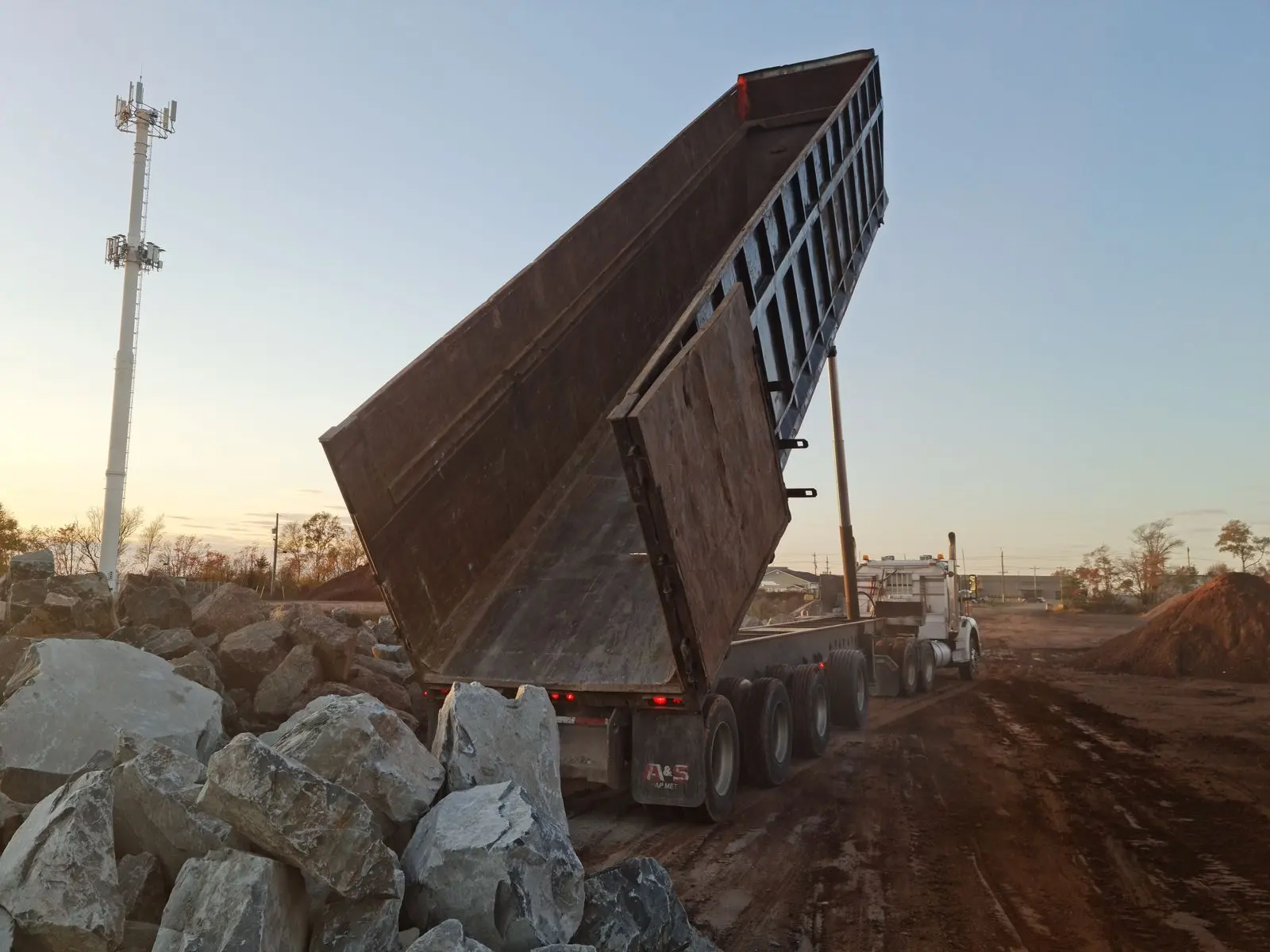
Deconstruction and Salvage Across Gilroy
Demolition FAQs
Gilroy Deconstruction FAQ
Is deconstruction worth it for my old barn?
If the barn has old-growth redwood siding, heavy timbers or plank floors in decent condition, usually yes. We look at the wood and give you an honest opinion on salvage value before you decide.
How long does deconstruction take?
Longer than demolition, usually several times as long for the same building, because it is done by hand. A small barn might take a week, a larger one longer.
Can I keep the salvaged wood?
Yes. Tell us what you want to keep and where you want it stacked. We can also sort it for sale or donation if you do not need it.
Does deconstruction need a different permit?
It is permitted like demolition, with the same asbestos survey and air district notice. The process is the same whether the building is taken apart by hand or by machine.
Demolition quote
Price a Barn or House Deconstruction in Gilroy
Share the building's age, size and the parts you hope to save. You will hear back inside 24 hours to plan a walk-through.
- Permits
- Demolition
- Haul-off